User blogs

Designing Beautiful Spaces and Building Strong Foundations for Better Living.
At CC Architects & Construction, we believe that every project begins with trust and ends with satisfaction. Our approach is simple — understand what our clients need, pay attention to every detail, and make sure the work is carried out with honesty and commitment. Over the years, we have focused on building long-term relationships rather than simply completing projects. We value clear communication, practical decisions and quality that speaks for itself.Every space we work on reflects our belief that good work should not only look right, but should also feel right and stand the test of time. We understand that creating a home, office or any space is an important investment. That is why we treat every project with responsibility and personal attention.
For us, a successful project is one where our clients can confidently say — “Yes, this is exactly what we wanted.”
CC Architects & Construction — Built on Trust, Created with Commitment.
https://www.myclassifiedad.in/story/construction-services-cc-architects-constructions-3/

Home Made Cat Food Tips
In recent years, there has been a growing shift towards providing our feline companions with homemade cat food. As pet owners become more conscious of their pets' well-being, the trend raises essential questions about the nutritional needs of our furry friends. This article delves into the world of homemade cat food, offering insights, tips, and recipes to ensure a balanced and nutritious diet for your beloved feline companion.

Understanding Nutritional Needs
Cats, like humans, have specific nutritional requirements crucial for their overall health. Unfortunately, commercial cat foods may fall short in meeting these needs. It's essential for cat owners to grasp the importance of providing a well-rounded diet that caters to their pet's unique dietary requirements.
Benefits of Homemade Cat Food
Control over Ingredients and Quality
One of the primary advantages of preparing cat food at home is the ability to control the quality of ingredients. This ensures that your cat consumes wholesome, high-quality components, free from additives or questionable fillers often found in commercial options.

Tailoring Meals to Individual Needs
Homemade cat food allows pet owners to tailor meals to their cat's specific needs. Whether your cat requires a special diet due to health conditions or simply has finicky taste buds, creating meals at home provides the flexibility to cater to these individual preferences.
Potential Cost Savings and Environmental Impact
Contrary to common belief, preparing homemade cat food can be cost-effective in the long run. Additionally, it contributes to a reduced environmental footprint by minimizing packaging waste associated with commercial cat food.
Essential Ingredients
To create a balanced and nutritious homemade cat food, it's crucial to understand the essential ingredients that contribute to a cat's well-being.
Protein Sources, Carbohydrates, Fats, and Micronutrients
A cat's diet should primarily consist of high-quality protein. Opt for lean meats such as chicken or turkey, supplemented with necessary fats and carbohydrates. Including micronutrients like vitamins and minerals ensures a well-rounded and complete meal.
Common Pitfalls to Avoid
While homemade cat food has its merits, there are potential pitfalls that cat owners should be aware of to ensure their pet's safety and well-being.
Ensuring a Well-Balanced and Safe Diet
It's crucial to avoid common mistakes, such as providing an unbalanced diet or using ingredients that may be harmful to cats. Consulting with a veterinarian and conducting thorough research can help prevent these pitfalls.
Planning and Preparation
Preparing homemade cat food requires careful planning and attention to detail. Here are some tips to guide you through the process.
Creating a Meal Plan for Cats
Developing a meal plan ensures that your cat receives a variety of nutrients over time. Consider your cat's age, weight, and any health conditions when crafting a suitable plan.
Proper Cooking and Storage Guidelines
Maintain proper hygiene and cooking standards to prevent contamination. Store homemade cat food in appropriate containers and follow recommended storage guidelines to preserve freshness and nutritional value.
Recipes for Homemade Cat Food
Simple, Nutritious Recipes
For cat owners eager to embark on the homemade cat food journey, here are a few simple and nutritious recipes to try.
- Chicken and Salmon Delight
- Ingredients: Chicken, salmon, sweet potato, and peas
- Preparation: Cook the chicken and salmon, mash sweet potato and peas, mix thoroughly, and serve.
- Tuna Surprise
- Ingredients: Tuna, spinach, carrots, and quinoa
- Preparation: Cook tuna, spinach, and carrots, mix with cooked quinoa, and serve after cooling.

Transitioning Tips
If your cat has been accustomed to commercial cat food, it's essential to transition gradually to homemade meals.
Gradual Transition from Commercial to Homemade Food
Mix small amounts of homemade food with your cat's regular diet, gradually increasing the proportion over several days. This eases the transition and minimizes the risk of digestive upset.
Monitoring the Cat's Health During the Switch
Keep a close eye on your cat's health and behavior during the transition. If you notice any adverse reactions or changes, consult with a veterinarian promptly.
Consulting with a Vet
While preparing homemade cat food can be rewarding, it's vital to seek professional guidance.
Importance of Professional Guidance
Consulting with a vet ensures that your cat's dietary needs are met. Regular check-ups allow for adjustments to the diet based on your cat's health and any changing circumstances.
Success Stories
Positive Impacts on Cat Health and Well-Being
Many cat owners have experienced positive changes in their cats' health and well-being after switching to homemade food. These success stories highlight the potential benefits of a carefully crafted, homemade diet.
Addressing Concerns
Debunking Common Myths
There are common myths and misconceptions surrounding homemade cat food. Let's address some concerns and provide evidence-based information.
- Myth: Homemade cat food lacks essential nutrients.
- Fact: With proper planning and ingredient selection, homemade cat food can be nutritionally complete.
- Myth: It's challenging to create a balanced homemade cat diet.
- Fact: With guidance and research, creating a well-balanced cat diet at home is achievable.
- Balanced Diet:
.jpg)
- Focus on a balanced diet that includes a variety of fruits, vegetables, whole grains, lean proteins, and healthy fats.
- Watch portion sizes to avoid overeating.
- Stay hydrated by drinking plenty of water throughout the day.
- Limit Processed Foods:
- Minimize the consumption of processed and sugary foods, as they often contain empty calories and can contribute to weight gain.
.jpg)
- Regular Exercise:
- Engage in regular physical activity, including both aerobic exercises (like walking, running, or cycling) and strength training.
- Find activities you enjoy to make exercise a sustainable part of your routine.
- Consistency is Key:
- Establish a consistent eating and exercise routine to maintain a healthy lifestyle.
- Aim for at least 150 minutes of moderate-intensity exercise or 75 minutes of vigorous-intensity exercise per week, as recommended by health guidelines.
- Get Enough Sleep:
- Ensure you get adequate sleep each night, as lack of sleep can negatively impact metabolism and lead to weight gain.
- Mindful Eating:
- Pay attention to what you eat by practicing mindful eating. Chew your food slowly, savoring each bite, and listen to your body's hunger and fullness cues.
- Limit Liquid Calories:
- Be mindful of the calories in beverages. Choose water, herbal teas, or other low-calorie options over sugary drinks.
- Reduce Stress:
- Chronic stress can contribute to weight gain. Practice stress-reducing activities such as meditation, yoga, or deep breathing exercises.
- Set Realistic Goals:
- Set achievable and realistic goals for weight loss. Small, gradual changes are more sustainable in the long run.

- Seek Professional Guidance:
- Consult with a healthcare professional or a registered dietitian for personalized advice based on your specific needs and health conditions.
Remember, it's important to approach weight management as a holistic journey that encompasses both physical and mental well-being. Consistency and sustainable lifestyle changes are key factors in achieving and maintaining a slim and smart physique.

Creating an essential winter collection for girls involves selecting versatile and comfortable clothing items that will keep them warm and stylish during the colder months. Here's a list of essential winter clothing and accessories for girls:
1.
Warm Winter Coat:

Invest in a high-quality, insulated winter coat that is both stylish and functional. Opt for classic colors like black, navy, or camel, as they are versatile and can be paired with various outfits.
2. Sweaters and Cardigans:
Choose a variety of sweaters and cardigans in different textures like cable knit, wool, or cashmere. They can be layered over shirts and dresses to provide extra warmth.
3. Long-sleeve Tops:
Stock up on long-sleeve tops in various colors and patterns. These can be worn underneath sweaters or on their own for milder winter days.
4. Warm Dresses:
Select long-sleeve dresses made from thicker fabrics such as wool or jersey. Pair them with tights or leggings for extra warmth.
5. Jeans and Warm Pants:
Denim jeans are a staple, but you can also consider warm pants made from corduroy, wool, or fleece-lined leggings. These provide insulation and comfort.
6. Scarves:
Scarves are not only functional but also add a stylish touch to winter outfits. Choose scarves made from wool, cashmere, or knit materials. They can be worn in various ways to keep the neck and face warm.
7. Hats and Beanies:
A warm hat or beanie is essential to keep the head warm. Choose ones made from materials like wool or fleece, and opt for neutral colors that can be paired with different outfits.
8. Gloves and Mittens:
Keep little hands warm with gloves or mittens. Look for insulated and waterproof options to protect against cold and snow.
9. Boots:
Invest in a good pair of waterproof and insulated boots to keep feet dry and warm during winter. Choose boots with a sturdy grip to prevent slipping on icy surfaces.
10. Socks:
Warm socks, especially those made from wool or thermal materials, are crucial for keeping feet cozy. Stock up on several pairs to rotate throughout the week.
11. Layering Pieces:
Consider thermal or moisture-wicking base layers that can be worn underneath clothing to provide extra insulation without adding bulk.
12. Winter Accessories:
Other winter accessories like ear muffs, earmuffs, and neck warmers can add extra warmth and style to outfits.
Remember that the specific items you choose may vary based on individual preferences, local climate, and personal style. It's essential to balance functionality with fashion to create a winter collection that girls will love to wear.

As winter descends, bringing with it crisp air and cozy sweaters, it also ushers in a host of skin challenges. The drop in temperature and humidity levels can wreak havoc on our skin, leaving it dry, itchy, and prone to various issues. In this article, we'll explore the common skin problems people face during winter and provide practical solutions to keep your skin healthy and radiant despite the chilly weather.
1. Dry Skin:

Problem: Cold air and indoor heating can strip your skin of its natural oils, leading to dryness and flakiness.
Solution: Combat dry skin by using a gentle, moisturizing cleanser, followed by a thick, nourishing moisturizer. Consider using a humidifier indoors to add moisture to the air and drink plenty of water to stay hydrated from within.
2. Chapped Lips:
Problem: Lips lack oil glands and are sensitive to the elements, making them prone to dryness and cracking in winter.
Solution: Keep lips moisturized with a good-quality lip balm containing natural ingredients like beeswax or shea butter. Avoid licking your lips, as saliva can further dry out the delicate skin.
3. Flare-ups of
Skin Conditions:
Problem: Conditions like eczema and psoriasis often worsen in winter due to the dry air and low humidity.
Solution: Apply prescribed medications and emollients as directed by your dermatologist. Moisturize frequently, wear soft, breathable fabrics, and avoid hot showers, which can exacerbate skin conditions.
4. Cracked Heels
and Hands:
Problem: Exposure to cold air and hot water can lead to painful cracks in the skin, especially on the hands and heels.
Solution: Regularly exfoliate and moisturize your hands and feet. Invest in a thick moisturizer or healing ointment and wear gloves while doing household chores to protect your hands. For feet, use a pumice stone to remove dead skin, then apply a rich foot cream and wear socks overnight.
5. Itchy Skin:
Problem: Dry skin in winter can cause itching, which can be exacerbated by hot showers and harsh soaps.
Solution: Opt for lukewarm showers, use mild, fragrance-free soaps, and pat your skin dry gently. Apply a moisturizer immediately after bathing to lock in moisture. If itching persists, consult a dermatologist for appropriate creams or ointments.
6. Redness and
Sensitivity:
Problem: Cold winds and temperature fluctuations can cause redness and sensitivity in the skin.
Solution: Protect your skin by wearing a scarf and applying a soothing, hypoallergenic moisturizer. Avoid products with alcohol or harsh chemicals, as they can further irritate the skin. Consider using a gentle, fragrance-free sunscreen on exposed areas to shield your skin from the sun's reflective rays.
7. Dull
Complexion:
Problem: Winter can leave your skin looking lackluster and dull due to decreased blood circulation and moisture loss.
Solution: Exfoliate your skin once or twice a week to remove dead skin cells and promote cell turnover. Use a hydrating face mask containing ingredients like honey, aloe vera, or hyaluronic acid to boost moisture and restore radiance.
Embracing Healthy Winter Skin Care Habits
Winter doesn't have to spell disaster for your skin. By adopting a proactive approach and incorporating these solutions into your daily routine, you can combat the common skin problems associated with colder months. Remember to stay hydrated, moisturize regularly, and protect your skin from harsh elements. By nurturing your skin with care and attention, you can maintain a healthy, glowing complexion throughout the winter season.

Blood
River, located in the picturesque Altai Mountains of Russia, is shrouded in
thriller and intrigue. Its name by myself inspires interest. However, more to
this specific natural surprise meets the attention. In this newsletter, we can
explore Blood River's captivating statistics, geological wonders, historical
significance, and the reminiscences that have made it a charming holiday spot
for adventurers and curious minds.
Blood
River is aptly named due to its vibrant crimson coloration. This placing
phenomenon results from a high concentration of iron in the water, giving it a
look reminiscent of blood.

2.
Geological Origins:
- The river's reddish hue outcomes from the iron-rich rocks and minerals
within the Altai Mountains. As water flows through those deposits, it becomes
infused with iron, creating a unique shade.
3.
Unique Geological Formation:
- The Altai Mountains are known for their numerous and complex geology.
Blood River is a dwelling instance of how geological processes can deliver
upward thrust to breathtaking natural spectacles.
4.
Sacred to Locals:
- Blood River holds nonsecular importance for the neighborhood Altai
humans. They consider it sacred and regularly perform rituals and ceremonies
alongside its banks.
5.
Breathtaking surroundings:
- past its crimson waters, the encircling landscape is awe-inspiring.
Towering mountains, lush forests, and numerous herbal globes make the place a
haven for nature fans.
6.
A Magnet for journey Seekers:
- Blood River has won recognition among journey travelers who witness its
splendor. Rafting and kayaking along its crimson waters offer an attractive
revel in.
7.
Ancient Enigma:
- The name Blood River additionally has an ancient connection. A few say
that it changed its name after a mysterious occasion that happened there.
However, the specific foundation of the name remains a discussion amongst
historians.
8.
Wealthy in vegetation and Fauna:
- The place surrounding Blood River boasts rich biodiversity, with
several plant and animal species tailored to the specific surroundings.
9.
Renovation challenges:
- Environmental conservation efforts are essential to preserve the
river's herbal beauty. Accelerated tourism can pose challenges to preserving
the delicate ecosystem.
10.
A place of Ongoing Discovery:
- Scientists continue to look at Blood River to understand better
its geological houses and the mechanisms at the back of its one-of-a-kind
purple coloration.
11.
A herbal Watercolor Palette:
- The colorful crimson waters of Blood River offer a lovely
assessment in opposition to the greenery of the surrounding panorama. This
evaluation frequently makes it a favorite challenge for photographers and
artists searching to capture nature's surreal beauty.
12.
Seasonal variations:
- The color of Blood River can range with the seasons. It is
maximum brilliant at some point in spring and early summer while melting snow
and elevated water float contribute to its extreme purple hue.
13.
Neighborhood Folklore:
- As with many precise natural wonders, neighborhood folklore and
legends have sprung around Blood River. These tales frequently weave
testimonies of the river's starting place and importance inside the cultural
panorama of the Altai location.
14.
Conservation Efforts:
- shielding the fragile ecosystem around Blood River is essential.
Conservation groups and neighborhood governments work collectively to maintain
ecological stability and the unique environment.
15.
Evolving medical know-how:
- Ongoing medical studies have caused a deeper understanding of the
geological tactics in developing the purple waters. This expertise enhances our
appreciation of Blood River and contributes to our know-how of similar
phenomena worldwide.
16.
Magnet for Nature enthusiasts:
- beyond the river, the Altai place is a paradise for nature
enthusiasts. Hiking trails, various wildlife, and untouched landscapes beckon
folks seeking a deeper reference to the herbal international.
17.
A religious destination:
- The river's nonsecular significance is tied to the Altai humans's
connection with nature. Blood River's precise look complements the nonsecular air
of secrecy of the vicinity.
18.
Adaptive flora and Fauna:
- the encircling surroundings have allowed numerous plant and
animal species to conform to the iron-wealthy conditions. Those adaptations
have resulted in unique and resilient ecosystems.

19.
International Geological interest:
- Blood River's geological houses have garnered hobby from
international scientists. Its iron-wealthy waters and the geological approaches
at the back of them serve as a case examination for expertise similar occurrences
in different regions.
20.
A Reminder of Nature's range:
- Blood River is a testament to the Earth's limitless capability
for surprising us. It serves as a reminder of our planet's range of herbal
wonders, equipped to be explored and loved.

1. Size and Weight: The human heart is roughly the size of a fist and weighs about 250 to 300 grams (9 to 11 ounces) in adults.
.jpg)
2. Beating Rate: On average, the human heart beats about 70 times per minute at rest. This means it beats approximately 100,000 times a day and 2.5 billion times during a lifetime.
3. Blood Pumping: The heart pumps about 70 milliliters of blood per beat. This amounts to about 5 liters (1.3 gallons) of blood per minute or 7,200 liters (1,900 gallons) per day.
4. Blood Vessels: There are about 60,000 miles (97,000 kilometers) of blood vessels in the adult human body. If you stretched out all the blood vessels, they could encircle the Earth about 2.5 times.
5. Electrical System: The heart's pumping is regulated by an electrical conduction system that coordinates the contractions of the heart chambers. This system ensures that the heart beats in a synchronized way.
6. Beating Sound: The sound of your heartbeat is caused by the valves in your heart opening and closing and the blood flowing through your heart.
7. Heartbeat Sound Variations: A doctor can listen to your heartbeats and detect various issues. For example, a "murmur" is an abnormal sound that can indicate a problem with one of the heart's valves.
8. Heartbeats in Fetus: A baby’s heart begins to beat around 22 days after conception. By the end of the third month of pregnancy, the fetus' heart is fully formed and functional.
9. Heart Attack Risk: Heart disease is the leading cause of death worldwide. Certain risk factors, such as high blood pressure, high cholesterol, smoking, and obesity, can increase the risk of heart attacks.

10. Heart Transplants: The first successful human heart transplant was performed by Dr. Christiaan Barnard in 1967. Since then, heart transplant surgery has become a viable treatment option for certain heart conditions.
Remember, these facts are generalizations, and individual human hearts can vary in many ways.

BTS, also known as the Bangtan Boys, is a South Korean boy band formed by Big Hit Entertainment. The group debuted on June 13, 2013, and has since become one of the most popular and influential boy bands in the world. BTS consists of seven members: RM (formerly known as Rap Monster), Jin, Suga, J-Hope, Jimin, V, and Jungkook.

BTS is known for their energetic music, impressive choreography, and meaningful lyrics that often address themes such as mental health, self-love, and social issues. They have a dedicated fanbase called the ARMY, which stands for Adorable Representative MC for Youth.
The group's music style incorporates a wide range of genres, including pop, hip-hop, R&B, and EDM. They have released numerous albums and singles, both in Korean and Japanese, and have achieved significant success on international music charts. BTS has won numerous awards, including Billboard Music Awards, American Music Awards, and MTV Europe Music Awards.
Apart from their music career, BTS members are also involved in philanthropy and social causes. They have been actively involved in various charitable activities and have partnered with UNICEF for the "Love Myself" campaign, aimed at ending violence against children and teenagers around the world.

BTS' global popularity has led to their widespread recognition and influence on popular culture. They have broken several records and have had a significant impact on the global music industry, paving the way for more K-pop acts to gain international prominence.

What
Is Anemia?
The
disc-shaped blood cells, referred to as purple blood cells, delivery oxygen to
your body's organs and tissues. Anemia develops when your body's wholesome pink
blood mobile remember variety is really too low.

Your
frame dreams sufficient oxygen for every element of it to paintings properly. A
decrease in oxygen added for your frame's critical organs and tissues is the
basis reason of many anemia symptoms and signs and symptoms, together with
exhaustion and shortness of breath.
Purple
blood cells include the iron-rich protein hemoglobin. Red blood cells may
additionally additionally convey oxygen inside the route of your body due to
the reality hemoglobin hyperlinks to it on your lungs. Primarily based mostly
on the quantity of hemoglobin in your blood, Anemia is classified.
Extra
than 1.74 billion humans had been anticipated to have Anemia worldwide in 2019.
Anemia is more likely to have an effect on ladies and those with persistent
ailments like maximum cancers.
Anemia
might also have a massive style of office work and causes. While some kinds of
Anemia are minor and quite simply controlled, others may have probably
dangerous health results.
Anemia's
motives, symptoms and symptoms, and nutritional elements may be blanketed in in
addition element in this article, in conjunction with its diagnosis and
treatment.
What are the causes of Anemia?
Numerous
ailments bring on Anemia. The following are examples of not unusual reasons of
Anemia:
Anemia from active bleeding:
Anemia
may be added on by using way of blood loss from wounds or solid menstrual go
with the flow. Anemia also can be brought on through digestive tract tumors or
ulcers that steadily leak blood.
Iron deficiency anemia:
Iron
is crucial for the bone marrow to make purple blood cells. The right shape of
the hemoglobin molecule is based upon heavily on iron (Fe). Anemia may
additionally come from inadequate or constrained iron intake from a lousy food
regimen. This is called Anemia due to iron deficiency. Furthermore, conditions
like belly ulcers or cancers of the colon, uterus, intestinal polyps,
hemorrhoids, and lots of others., that purpose slow, persistent bleeding can
bring about iron deficiency anemia. Due to non-stop, persistent gradual blood
loss in those situations, iron is likewise out of place from the frame (as a
element of the blood) quicker than ordinary and may set off iron deficiency
anemia.
Anemia of chronic sickness:
Any
continual clinical situation can bring on Anemia. This form of Anemia may be
introduced on via any continual medical disorder, inclusive of cancer and
chronic infections, despite the fact that the exact mechanism via which it
happens is unknown.
Anemia related to kidney disease:
Erythropoietin,
a hormone secreted via the kidneys, aids inside the bone marrow's production of
pink blood cells. The manufacturing of this hormone is decreased in persons
with continual (prolonged-time period) kidney infection (CKD or quit-level
renal sickness (ESRD), which in flip reduces the generation of purple blood
cells and results in Anemia. This circumstance is called Anemia of chronic
renal sickness or related to it.
Anemia associated with pregnancy:
Due
to the blood's dilution because of water retention and fluid boom within the
direction of pregnancy, Anemia may additionally additionally end end result
from a decrease within the relative interest of red blood cells.
Anemia related to bad vitamins:
Pink
blood cells must be produced, which requires nutrients and minerals.
Haemoglobin (Hgb) synthesis calls for iron, eating regimen B12, folate (or
folic acid), and iron. Anemia may additionally moreover end result from a
deficiency in any of these due to inadequate red blood cellular formation. Low
diet B12 and folate ranges are in big component due to horrible food intake. A
vitamins B12 shortage amongst strict vegetarians is viable within the event
that they do now not acquire enough nutrients.
Pernicious Anemia:
Another
possibility for insufficient nutrients B12 absorption is an problem inside the
stomach or intestines. A vitamin B12 scarcity, referred to as pernicious
Anemia, might also want to bring about Anemia.
Sickle cellular anemia:
The
advent of aberrant hemoglobin molecules can motive problems in fine people. The
hemoglobin problem in this example is qualitative or practical. The integrity
of the structure of purple blood cells may be compromised by way of way of
weird hemoglobin molecules, which can also cause them to take on the form of
sickle cells. Sickle cellular anemia is available in numerous paperwork with
varying degrees of severity. Human beings of African, middle eastern, and
Mediterranean starting are more likely to have this, generally genetic.
Depending on the severity and signs of the condition, sickle cellular anemia
may be detected in a infant as early as age 3.
Thalassemia:
This
is a top notch organization of anemia-related hemoglobin-related reasons.
Thalassemia is available in severa bureaucracy, ranging in severity from mild (thalassemia
minor) to excessive (thalassemia crucial). The ones are likewise inherited, but
they bring about quantitative hemoglobin anomalies, which prevent the producing
of sufficient wholesome hemoglobin molecules. Human beings with African,
Mediterranean, and Southeast Asian ancestry are more likely to have
thalassemia.
Alcoholism:
Alcoholism
is attached to bad food regimen and nutrition and mineral deficits. Alcohol
intake itself may also moreover damage the bone marrow and reduce the
generation of crimson blood cells. Those factors running collectively also can
reason Anemia in alcoholics.
Bone marrow-associated Anemia:
Bone
marrow-related ailments may be related to Anemia. Anemia can be because of some
blood malignancies, collectively with leukemia and lymphomas, which disrupt the
synthesis of red blood cells. Numerous pathways may also cause the spread of
venom from some different organ to the bone marrow.
Aplastic Anemia:
Rarely
positive viral infections can significantly impact the bone marrow and substantially
reduce the era of all blood cells. The same issues may arise with different
drug treatments and chemotherapy (cancer drugs).
Hemolytic Anemia:
The
characteristic of purple blood cells depends on their regular form. Hemolytic
Anemia is a particular kind wherein the pink blood cells malfunction due to
hemolysis. There are several ability reasons for this. Hereditary
spherocytosis, hereditary elliptocytosis, and glucose-6-phosphate dehydrogenase
or G6GD deficiency are some examples of hemolytic anemias with continual pink
blood cellular destruction and rapid replication. Ordinary crimson blood cells
might also enjoy this type of damage below high quality circumstances,
collectively with whilst they are harmed thru defective coronary heart valves or
are stricken by specific medicinal drugs that adjust the form of purple blood
cells.
Anemia related to drug treatments:
Many
popular capsules can produce Anemia in a few sufferers as a facet impact. There
are several remedy-specific procedures (including hemolysis and bone marrow
toxicity) by manner of which drugs can result in Anemia. Chemotherapy drug
treatments used to deal with most cancers are the medication that typically
bring about Anemia. Seizure medications, transplant meds, HIV medicinal pills,
malaria remedies, positive antibiotics (penicillin, chloramphenicol),
antifungal medicines, and antihistamines are more not unusual drug treatments
that would result in Anemia.
Exceptional
a good deal less not unusual motives of Anemia include:

• Thyroid problems,
• Cancers,
• Liver sickness,
• Autoimmune diseases (lupus),
• Paroxysmal nocturnal hemoglobinuria
(PNH),
• Lead poisoning,
• AIDS,
• Malaria,
• Viral hepatitis,
• Mononucleosis,
• Parasitic infections (hookworm),
• Bleeding problems, and
• Insecticide publicity
This
is certainly a partial listing of the extra standard and huge motives of
Anemia; many greater will be concerned.
What are the signs and symptoms of Anemia?
Anemia
can result in a substantial style of symptoms and signs and symptoms and signs
because of the decreased oxygen delivery to all frame tissues due to a low
purple blood cellular rely. Additionally, it can exacerbate the signs of surely
every different underlying clinical problem. If Anemia is mild, signs and signs
and symptoms won't be gift. The body may additionally regulate and make up for
the difference if Anemia is continual and slowly ongoing; on this situation,
symptoms could not seem till the Anemia worsens.
Signs
of Anemia may additionally consist of the following:
• Fatigue
• decreased power
• weak spot
• Shortness of breath
• Lightheadedness
• Palpitations (coronary heart
palpitations or extraordinary heartbeat)
• looking dwindled
• symptoms and signs of intense Anemia
may additionally encompass:
• Chest pain, angina, or coronary heart
assault
• Dizziness
• Fainting or passing out
• speedy heart price
Some
of the signs and symptoms and signs of anemia in an man or woman may also
consist of:
• If the Anemia is added on with the
aid of blood loss through the gastrointestinal system, a trade in stool colors,
inclusive of black and tarry stools (sticky and foul-smelling), maroon-colored
stools, or bloody stools
• rapid coronary heart price
• Low blood strain
• fast respiration
• mild or bloodless skin
• If the breakdown of crimson blood
cells reasons Anemia, the situation is called jaundice.
• coronary coronary heart murmur
• growth of the spleen with unique
motives of Anemia
What are the types of Anemia?
Specific
varieties of Anemia are given beneath:
What is Iron-deficiency Anemia?
Iron
deficiency Anemia is the most time-venerated kind of Anemia, which happens
while you do not accumulate sufficient iron. It is believed that iron
deficiency motives 50% of all anemias.
A
few motives that may cause low iron ranges to your body consist of:
• blood loss
• ingesting a whole lot much less than
the desired every day iron consumption
• having a fitness condition that makes
iron absorption difficult, in conjunction with IBD or a previous gastric skip
operation
Many
humans with slight to slight iron deficiency anemia are asymptomatic. Anemia is
regularly located in these human beings throughout regular blood trying out.
Intense
iron deficiency anemia can produce a selection of signs, which incorporates but
no longer constrained to:
• fatigue
• shortness of breath
• chest pain
If
left untreated, this type of Anemia may additionally bring about extensive
issues.
Vitamin-deficiency anemia
Inadequate
portions of folate or diet B12 motive vitamin deficiency Anemia. A loss of
essential vitamins within the weight-reduction plan commonly causes Anemia.
A
few signs that Anemia can be due to low folate tiers, further to some of the
equal antique signs of Anemia, encompass:
• ache on your mouth and tongue
• adjustments inside the coloration of
your pores and pores and skin, hair, or nails
Pernicious
Anemia is a kind of Anemia because of a deficiency in nutrition B12. People
with pernicious Anemia often lack intrinsic problem, a protein produced within
the belly. Intrinsic issue aids inside the absorption of nutrients B12 from the
meals. In rare instances, the small intestine has problem absorbing diet B12.
Many
common anemia symptoms and signs are shared with the aid of way of Anemia due
to a deficiency of weight-reduction plan B12. A few greater particular signs
and symptoms of nutrients B12 insufficiency encompass:
• Tingling and numbness in palms or
toes: a concerning sensation that can require clinical interest.
• muscular weak spot;
• a clean, thick pink tongue;
• problems with reflexes or motion;
depression;
• memory issues;
• confusion
• gastrointestinal problems, which may
also additionally include
• heartburn
• nausea or vomiting
• bloating or gasoline
• constipation

What is Hemolytic Anemia?
Purple
blood cells are destroyed quicker than your body can top off them in hemolytic
Anemia. Some of causes can contribute to hemolytic anemia, including:
Autoimmune
hobby takes area while your frame makes antibodies that focus on and damage
crimson blood cells.
• sickle mobile sickness and thalassemia
are inherited issues.
• physical harm to red blood cells,
inclusive of at the same time as a coronary heart-lung bypass gadget or
prosthetic coronary heart valves are used
• aspect outcomes from some capsules,
which include acetaminophen or penicillin;
• infections, which includes malaria;
• publicity to pollution
In
addition to fundamental anemia signs and symptoms, some greater specific
hemolytic anemia signs encompass:
• jaundice
• enlarged spleen
• chills
• once more or top stomach ache
What is Aplastic Anemia?
Whilst
your bone marrow can not make sufficient crimson blood cells, you get aplastic
Anemia. It's far due to harm to bone marrow stem cells, which typically evolve
into purple blood cells. Fewer purple blood cells are produced due to this
harm.
Aplastic
Anemia is generally due to autoimmune interest, in which your immune system
attacks bone marrow stem cells. Different viable motives encompass specific
capsules, chemical publicity, and inherited genetic modifications.
Aplastic
Anemia influences the technology of white blood cells and platelets as nicely.
People with this type of Anemia have low levels of white blood cells and
platelets and a low purple blood cellular rely.
A
low white blood mobile rely may additionally result in recurrent infections,
however a low platelet depend can bring about clean bruising or bleeding.
Exceptional signs of aplastic Anemia consist of pores and skin rashes and
nausea.

Nature is domestic to many charming creatures, occupying a particular area of interest within the complex internet. Amongst them, some animals stand out for their top-notch variations and reputation because they are the most unstable predators. From the ocean's depths to dense jungles' coronary hearts, those creatures command admiration and fear. In this article, we will delve into the sector of the most dangerous animals, exploring their developments, habitats, and the motives behind their deadly abilities.
1. Saltwater Crocodile (Crocodylus porosus)

The saltwater crocodile, frequently known as the "salty," is the most crucial dwelling reptile and a powerful apex predator. Discovered in inner Southeast Asia, Australia's brackish and saltwater regions, and factors of the Indian subcontinent, this giant reptile can obtain lengths of as much as 23 feet and weigh over a ton. With an effective chew force and great stealth, the saltwater crocodile is designed to ambush its prey, incorporating anything from fish and birds to massive mammals near the water's aspect.
2. African Lion (Panthera leo)

Roaming the savannas of Africa, the African lion symbolizes electricity and majesty. Lions are social animals, residing in pleasure with related girls and their cubs along a coalition of dominant adult males. Their searching approach regularly involves teamwork, allowing them to take down large herbivores, including zebras and wildebeests. With their powerful jaws and muscular bodies, lions are acknowledged for their fearsome roars that can be heard as much as 5 miles away.
3. Field Jellyfish (Chironex fleckeri)

Venturing into the aquatic realm, the container jellyfish is an apparent marine creature that belies its deadly nature. Inhabiting the waters of the Pacific and Indian Oceans, the sector jellyfish is prepared with tentacles coated with venomous cells known as nematocysts. Its sting can cause excruciating aches, paralysis, and, in excessive times, even lack of life. Its close-to-invisible appearance within the water makes it mainly treacherous for unsuspecting swimmers.
4. Cape Buffalo (Syncerus caffer)

Called one of the "large five" in the African natural international, the Cape buffalo is deceptively risky. With their great horns, stocky assemble, and unpredictable behavior, these herbivores can become tremendously aggressive while threatened. Accountable for more substantial hunter fatalities on the continent than every other animal, Cape buffaloes aren't to be underestimated.
5. Australian container Jellyfish (Chironex fleckeri)

Venturing into the aquatic realm, the Australian field jellyfish is a transparent marine creature that belies its lethal nature. Inhabiting the waters of the Pacific and Indian Oceans, the sector jellyfish is prepared with tentacles coated with venomous cells referred to as nematocysts. Its sting can cause excruciating ache, paralysis, and, in immoderate times, even demise. Its near-to-invisible look within the water makes it precisely treacherous for unsuspecting swimmers.
The herbal world is a realm of splendor and danger, wherein apex predators are vital in preserving the sensitive stability of ecosystems. Each of these animals has advanced to live to tell the tale and thrive of their respective environments, frequently counting on their lethal capabilities to be cozy in their area on the top of the meal chain. While their reputations as the most dangerous animals are nicely earned, they remind us of the planet's awe-inspiring complexity and kind of lifestyles.
6: Tiger: The Enigmatic Apex Predator

The tiger (Panthera tigris) is one of the most iconic and revered predators in the animal kingdom. While their splendor and charm are widely acknowledged, tigers also command admiration for their ability threat:
Bodily Prowess: Tigers are the most important of the massive cat species, with a few people accomplishing lengths of over eleven feet and weighing as much as seven hundred pounds. Their effective muscle mass and sharp claws make them pretty efficient hunters.
7. Mosquitoes (several species)

While they may seem inconspicuous, mosquitoes are accountable for more awesome human deaths than different animals on the planet. Transmitting lethal sicknesses, including malaria, dengue fever, and Zika virus, the tiny bugs significantly affect human fitness. Their capability to breed unexpectedly in numerous environments and transmit ailments with an unmarried chew makes them among the deadliest creatures.
8. Nile Crocodile (Crocodylus niloticus)

Located throughout sub-Saharan Africa, the Nile crocodile is thought for its competitive behavior and mighty chunk. Those reptiles can develop to impressive sizes, with some exceeding 20 toes. Their ambush hunting technique, combined with their capability to take down massive prey like zebras and antelopes that come to drink the water's part, solidifies their characteristic as taken into consideration one of Africa's most fearsome predators.
9. Cone Snail (Conus species)

In the global of marine existence, the cone snail stands proud as a complex, however dangerous creature. Decided in warm ocean waters, cone snails are prepared with harpoon-like teeth that inject venom into their prey. This venom can additionally be fatal to humans, making encounters with positive species of cone snails likely lethal.
10: Wolf: The complicated canine Predator
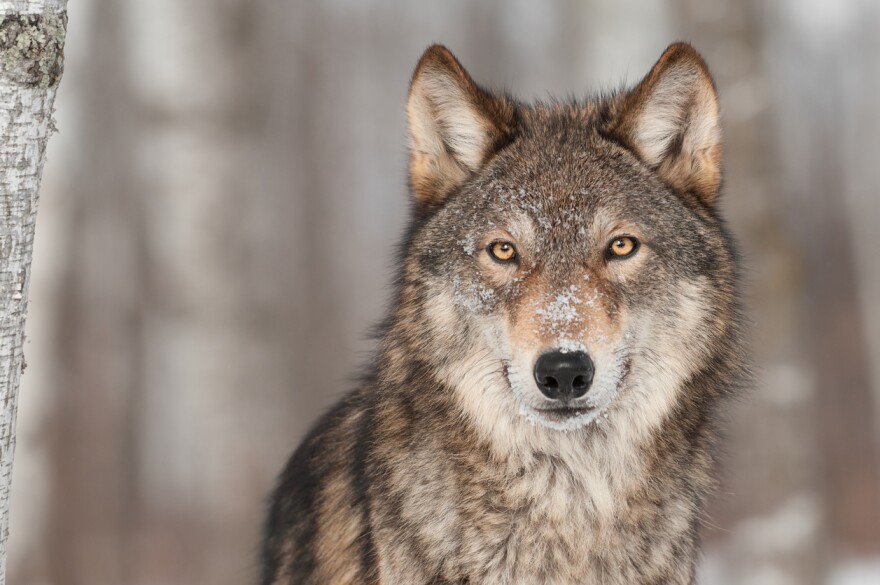
Wolves (Canis lupus) are captivating and complex predators that have been revered and feared at some stage in history. Here is a have a look at their actual degree of danger:
Percent Predators: Wolves are social animals that regularly stay and hunt in packs that could range in length from some individuals to more than a dozen. Their % structure allows them to take down large prey and defend their territory effectively.
The world's most risky animals are to be had in several styles and sizes, every one tailored to its surroundings and prepared with particular techniques for survival. From the apex predators of the savannas and the depths of the sea to the minuscule yet deadly insects, these creatures command admiration and often evoke worry. As we explore the intricacies of those risky animals, we benefit from more profound information on the touchy balance that sustains life on our planet. It's a testament to the impressive variety and complexity of the herbal international that such creatures exist, reminding us to be amazed at and recognize the intricacies of the ecosystems they inhabit.
11. Pufferfish (Tetraodontidae family)

Taking a detour into the ocean's realm, the pufferfish may appear innocent because of their lovable look. However, they harbor a lethal secret. Pufferfish consist of tetrodotoxin, a potent neurotoxin that can cause paralysis or death. However, despite their toxicity, pufferfish are considered a delicacy in some cultures, in which specially skilled cooks cautiously positioned them collectively, casting off the poisonous components and leaving them at the back of a unique culinary enjoy.
12: Anaconda: The Mysterious Giant of the Amazon

Anacondas, particularly the green anaconda (Eunectes murinus), are amongst the biggest and most famous snake species globally. While their size and look may be intimidating, information about their conduct and interactions with human beings gives a more transparent photograph of their real threat:
Length and Habitat: green anacondas are massive, with females accomplishing lengths of around 20 toes or more significant and grownup adult males being smaller. They inhabit the high-priced Amazon rainforest and its surrounding waterways, which include rivers, swamps, and marshes.
13. High-quality White Shark (Carcharodon carcharias)

The top-notch white shark is the final predator of the oceans, commanding awe and worry. With rows of serrated enamel and unparalleled prowess, this apex predator can develop to lengths exceeding 20 toes. Contrary to popular perception, sharks do not often aim at humans as prey. However, their occasional fallacious identification attacks can also have intense outcomes, mainly to recognition as one of the sea's most risky populations.
14. Deathstalker Scorpion (Leiurus quinquestriatus)

In the arid regions of North Africa and the center East, the deathstalker scorpion roams the deserts with a venom that justifies its ominous name. Its sting is excruciating and may be existence-threatening, mainly for prone populations just like the young and elderly. Despite its dangers, this scorpion controls insect populations, showcasing the elaborate balance of nature.
15. Komodo Dragon (Varanus komodoensis)
.jpg)
Hailing from the Indonesian islands, the Komodo dragon is the arena's most giant lizard. These apex predators own a venomous chunk that weakens and, in the end, kills their prey, which may additionally include big mammals like deer and water buffalo. Notwithstanding their length, they may be additional professional climbers and swimmers, giving them various hunting talents.
The sector is a mosaic of habitats, each housing its array of risky animals. From the oceans to the savannas, from the microscopic to the colossal, those creatures spotlight the range and complexity of lifestyles in the world. While their reputations as risky animals are often warranted, they remind us of every species' essential characteristic in retaining the delicate balance of ecosystems. Respecting those creatures and knowing their behaviors guarantees our protection and enriches our appreciation for the complex tapestry of lifestyles surrounding us.
16. Inland Taipan (Oxyuranus microlepidotus)

Delving deeper into the arena of evil creatures, the inland taipan is a testament to natural pollution's efficiency. Frequently referred to as the "small-scaled snake," it inhabits the arid regions of Australia. Irrespective of its venom's tremendous efficiency, human encounters are uncommon due to its elusive nature and remote Habitat.
17: The mighty Hippopotamus: a shocking chance

The hippopotamus, often seen for its reputedly docile look, is, in truth, certainly one of Africa's most unstable animals. Here is a glimpse into the surprising dangers posed by this vast creature:
18. African Elephant (Loxodonta africana)

Nature's giants, the African elephants, embody grace and electricity. Though herbivores with the aid of nature, their sheer duration and defensive instincts reason them to be ambitious while threatened. Human-elephant conflicts, regularly stemming from habitat loss and opposition for assets, spotlight the annoying situations of coexisting with these beautiful animals.
19: King Cobra: The Monarch of Venomous Snakes

The King Cobra (Ophiophagus hannah) is the longest venomous snake, revered and feared for its unique venom and majestic presence. Observed inside the forests and grasslands of Southeast Asia, this iconic serpent commands attention.
20: Brazilian Wandering Spider (Phoneutria species)

Venturing into the realm of arachnids, the Brazilian wandering spider takes a niche as one of the international's most venomous spiders. Positioned in the South US, their venom carries a neurotoxin that would cause intense aches or paralysis. Those spiders are recognized for their wandering nature, occasionally bringing them into touch with human beings.
The arena's most risky animals span various habitats and taxonomic businesses, showcasing the diverse tactics wherein creatures have advanced to stay on and thrive. From the microscopic potency of venom to the sheer electricity of apex predators, every animal shapes the complex balance of ecosystems. As we discover the harmful aspects of nature, we're reminded of the interconnectedness of all residing subjects and the touchy dance that sustains life on the planet.
Understanding the animals fosters the reputation of their area within the natural order and emphasizes the importance of responsible coexistence. Human moves, habitat protection, and conscious conduct play a pivotal function in ensuring that the area's most volatile animals can satisfy their roles inside the complicated tapestry of existence without posing undue dangers to human businesses.